 At the beginning of the 1980’s in the United States Professor Rosenthal discovered the benefits of light therapy lamps. At first they were used in cases of seasonal depression also called SAD (Seasonal Affective Disorder). Light therapy is today practised in a number of hospitals a number of pathologies, but mostly with trouble linked to the upset of the biological clock (circadian rhythm problems) like insomnia and generally trouble sleeping. Light therapy lamps and seasonal depression or SAD. The principal symptoms of winter season depression start to show at the end of summer when the days start to grow short and become dull as there is less light it is the seasonal change that affects a number of people. In a number of cases it is Winter Blues which we all suffer from in one way or another, it is a simpler version of winter depression, and this in no way stops us from continuing with our daily lives. Get more info from www.hypnotherapistdirect.com.
Seasonal Depression And Light Therapy
Physical Therapy Treatment
 Discomfort having an impact on the lower part of the back characterizes the common condition simply called low back stiffness. Usually, low back pain goes away after a few days or weeks. You have acute low back pain if you have been experiencing pain for under 6 weeks. For acute low back pain, it’s important not to overexert yourself nor stay absolutely inactive. You will feel just like staying in bed will dump the agony but in reality doctors do not suggest long times of bed rest in this example. It’s best to continue with your ordinary activities but at a gradual pace.Simply magnetic after 2 weeks you’ll do some aerobic exercises. Despite its benefits, light therapy still has scepitcs in the medical community. “There are psychologists and psychiatrists who do not believe in it, underlines Dr Marc Hébert. They were surprised to find that a number of patients replied in the same way to light therapy sessions”.
In fact, it would seem that the treatment works for about 70% of people suffering from seasonal depression. One of the advantages of this treatment is the possibility which it offers to everyone, the power to anticipate the blues before the arrival of autumn. We know that the treatment of light therapy works for people affected by winter depression, but we do not know yet the mecanical theraputic action, indicates Dr Marc Hébert, who specialises in the subject since 1992. We notice that the biological response to the light therapy, which lets us conclude that it, is not a placebo effect, but a real effect. If the pain continues for three weeks, it is best to seek professional physical therapy treatment for persistent low back pain. A qualified physical therapist is informed on the precise wishes of a person suffering low back pain and will be in a position to design.
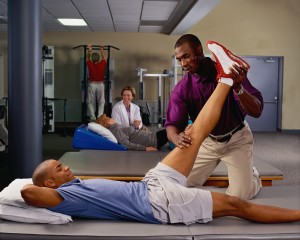
Physical care treatment for prolonged low back stiffness starts with educating the patient about correct movement and posture. Some physical therapists use methods of therapy that apply heat, electric kick and ultrasound to the area affected. Physical therapy treatment for persistent low back trouble involves specific exercises to boost flexibility and strengthen back muscles especially those that support the backbone.
Therapy During The Winter Seasons
 When the sky is grey and the days grow short our morale is unharmed. Everyone can be affected by the loss of light in the dead season. It is now or never to chase away the passing blues or the seasonal depression with the help of light therapy. A quarter of the population sees their life turned upside down by the season’s rhythm, where as 2 or 3% of people suffer a severe depression due to this time of year. It is only since the middle of the 80’s that researchers started looking for the reasons of this depressive state. Someone suffering from seasonal depressions have a tendency to see their appetite increase, have a taste for sugar and have an excessive need for sleep. As the symptoms are different to a regular depression, Dr Marc Hebert researcher and professor at Laval Robert Giffard University, thinks it is necessary to treat patients differently.
Instead of giving them a prescription for antidepressants he praises a healthier solution exposure to light. If the brain seems to be affected by the lack of light, we do not know what makes certain people more vulnerable than others. It is by analysis of the retina that multidisciplinary directed by Dr Hébert, composed of researchers in neuroscience in opthalmologyof psychologists and psychiatrists resulting in knowing a little more about the role of light on the brain. “Alot of sick neuropsychiatrists think that the eye is the vision of the person not affected, he says (…) we are capable of studying neurotransmitters presents the eye and we can see the effects after four weeks of light therapy sessions. The use of a light therapy lamp can be diversified, because the user can stay active during sessions.
Dr Hébert personally uses all the time a lamp at work at his desk. He suggests also to people to put it on the table while they are having breakfast or when they are reading a news paper. The person should keep their eyes open, but not to keep looking at the light. The person can then carry on about their business, while being exposed to the light.